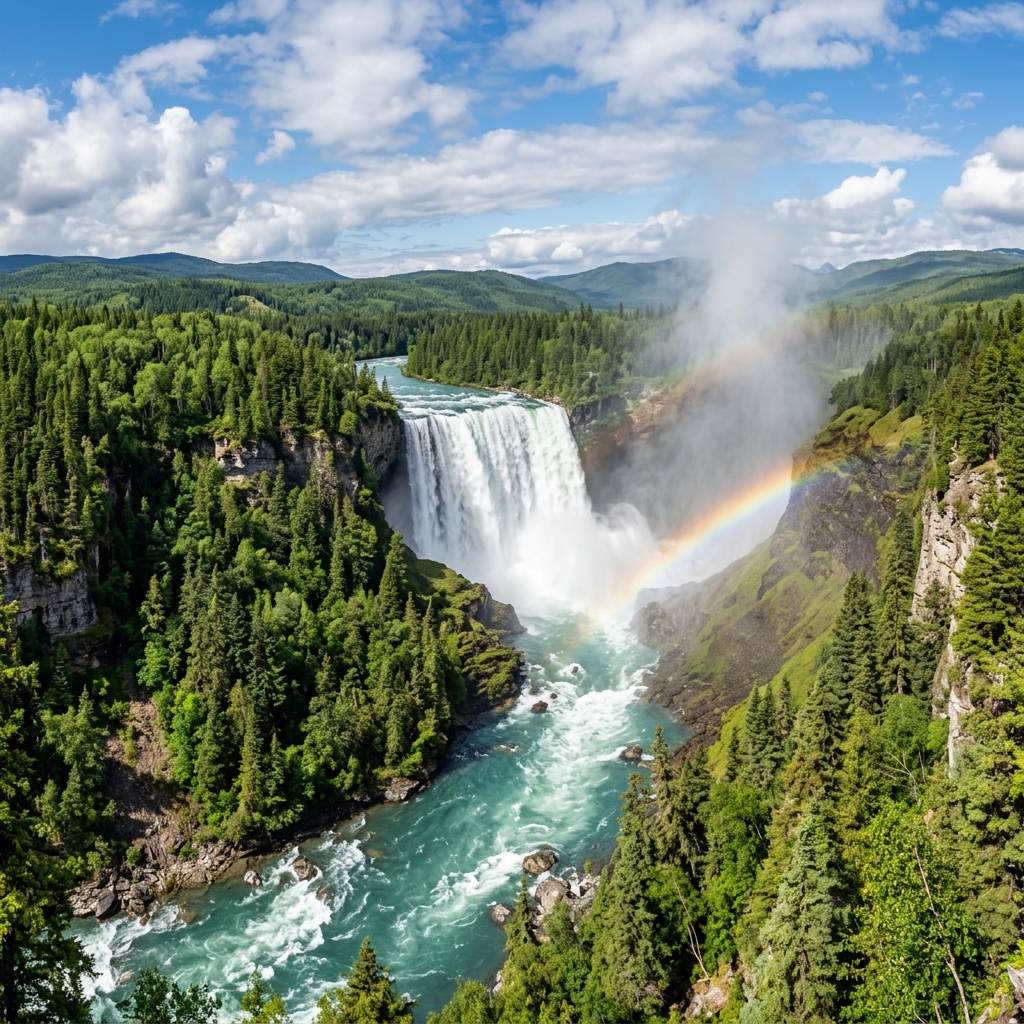
Niagara Falls is one of the most visited natural attractions on Earth, straddling the border between Ontario, Canada and New York State. The Niagara Parks system stretches 56 kilometres along the Niagara River corridor, encompassing world-class gardens, heritage sites, hiking trails, and of course, the awe-inspiring waterfalls themselves.
168 ft
Horseshoe Falls Height
56 km
Niagara Parkway Length
14M+
Annual Visitors
12,000+
Years of Erosion
Explore Niagara Falls
In-depth articles to help you plan the perfect visit
Essential Guide
The Complete First-Timer's Guide to Niagara Falls
Everything you need to know before your first visit — from choosing the Canadian vs American side to navigating the best viewpoints and avoiding common tourist traps.
Niagara Falls consists of three waterfalls: Horseshoe Falls (the largest, on the Canadian side), American Falls, and Bridal Veil Falls. The Canadian side is widely considered the best viewing location, offering panoramic views of all three falls. Table Rock Welcome Centre is the prime starting point, placing you directly at the brink of Horseshoe Falls. Arrive early (before 9 AM) to beat crowds, especially in summer. Budget at least a full day to explore — the falls, Journey Behind the Falls, gardens, and the Niagara Parkway are all worth your time. Free parking is available at Rapidsview but paid lots near the falls fill quickly. The WEGO bus system connects all major attractions along the parkway. Don't forget a waterproof poncho — the mist is real!
Adventure
Journey Behind the Falls: The Ultimate Close-Up Experience
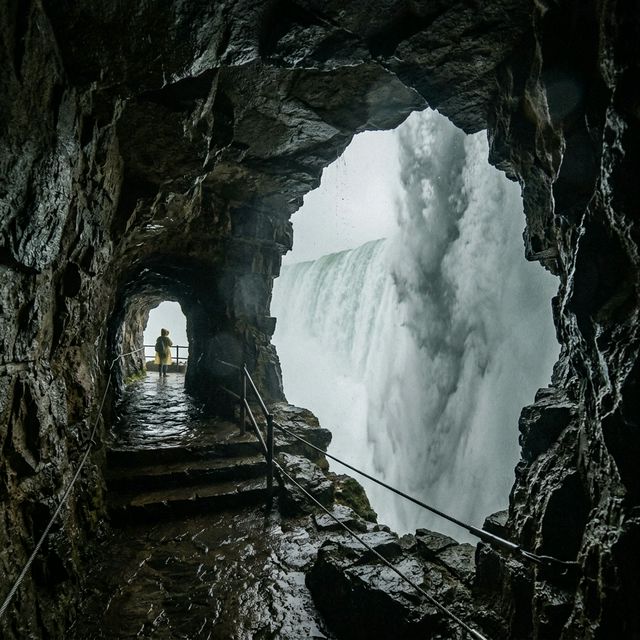
Descend 38 metres through bedrock tunnels to stand directly behind the thundering curtain of 2,800 cubic metres of water per second.
Journey Behind the Falls is one of Niagara's oldest and most iconic attractions, operating since 1889. You'll take an elevator down through the bedrock, then walk through two 46-metre tunnels carved into the rock behind Horseshoe Falls. The experience culminates at two observation portals — one at the base of the falls and one directly behind the cascading water. The sound is thunderous and the vibrations through the rock are extraordinary. Waterproof ponchos are provided. Visit during spring melt (April-May) when water flow peaks at over 5,700 cubic metres per second. The lower observation deck gets absolutely drenched — bring a change of socks!
Attractions
The Tunnel at Niagara Parks Power Station
Explore a century-old hydroelectric power station and walk through a 670-metre tunnel that opens dramatically at the base of the falls.
The Niagara Parks Power Station, originally the Canadian Niagara Power Company generating station built in 1905, has been transformed into an immersive attraction. The grand generator hall features original 1905 equipment, interactive exhibits on hydroelectric power, and stunning Beaux-Arts architecture. The highlight is the 670-metre tailrace tunnel — originally used to channel water back to the river — which now serves as a walkway leading to a viewing platform at the very base of Horseshoe Falls. The nighttime experience, Currents, transforms the power station with dramatic light projections. This is one of Niagara's newest and most unique attractions.
Nature & Gardens
Niagara Parks Botanical Gardens & Butterfly Conservatory
Wander through 40 hectares of beautifully maintained gardens and a tropical conservatory housing 2,000 free-flying butterflies.
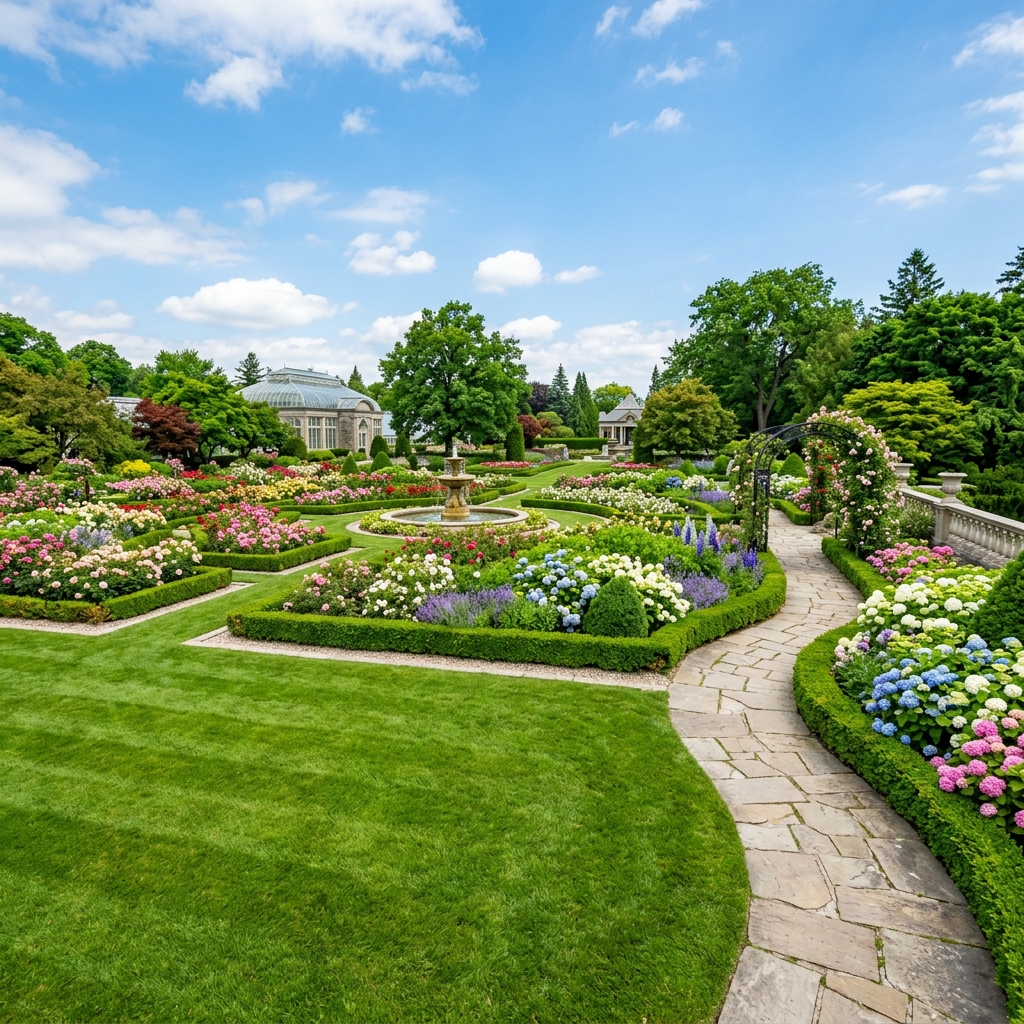
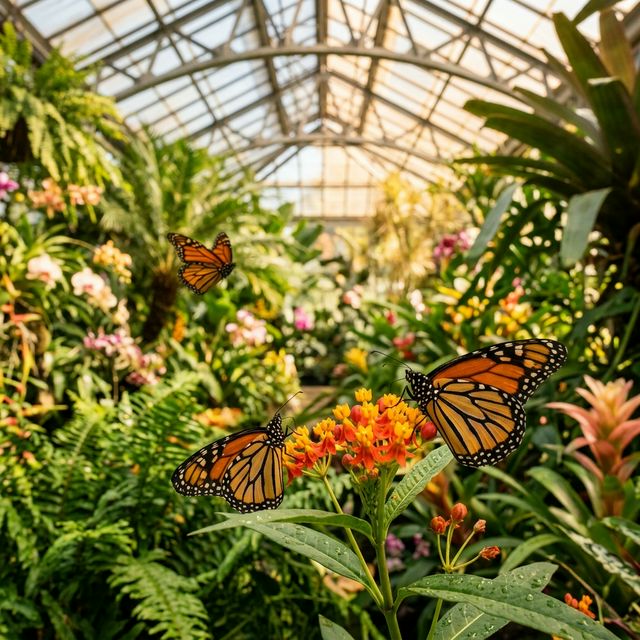
The Niagara Parks Botanical Gardens, established in 1936 as the School of Horticulture, features 40 hectares of immaculately maintained gardens including a formal rose garden with over 2,400 roses, an herb garden, a vegetable garden, and the stunning perennial garden. The Butterfly Conservatory is home to approximately 2,000 colourful tropical butterflies from 45 species, flying freely in a lush rainforest setting. The gardens are free to visit year-round and showcase stunning seasonal displays — from spring tulips and cherry blossoms to autumn foliage. The Floral Clock, nearby on the Parkway, features 16,000 bedding plants redesigned twice yearly.
History
The Fascinating History of Niagara Falls
From ancient geological formation 12,000 years ago to daredevil stunts and the birth of hydroelectric power — Niagara's story is extraordinary.
Niagara Falls was formed approximately 12,000 years ago as glaciers from the last Ice Age receded, carving out the Great Lakes and the Niagara Escarpment. The falls have eroded 11 kilometres upstream since their formation. Indigenous peoples called them "Onguiaahra" (thundering waters). The first European to document the falls was Father Louis Hennepin in 1678. By the 1800s, Niagara became a daredevil hotspot — in 1901, Annie Edson Taylor became the first person to survive going over in a barrel. Nikola Tesla's pioneering AC power system at Niagara in 1895 helped electrify New York City, launching the modern age of electricity. Today, Niagara generates over 4.4 million kilowatts of hydroelectric power.
Events
Falls Illumination & Fireworks: Niagara After Dark
Every evening, the falls are transformed by a spectacular LED light show, with seasonal fireworks painting the mist-filled sky.
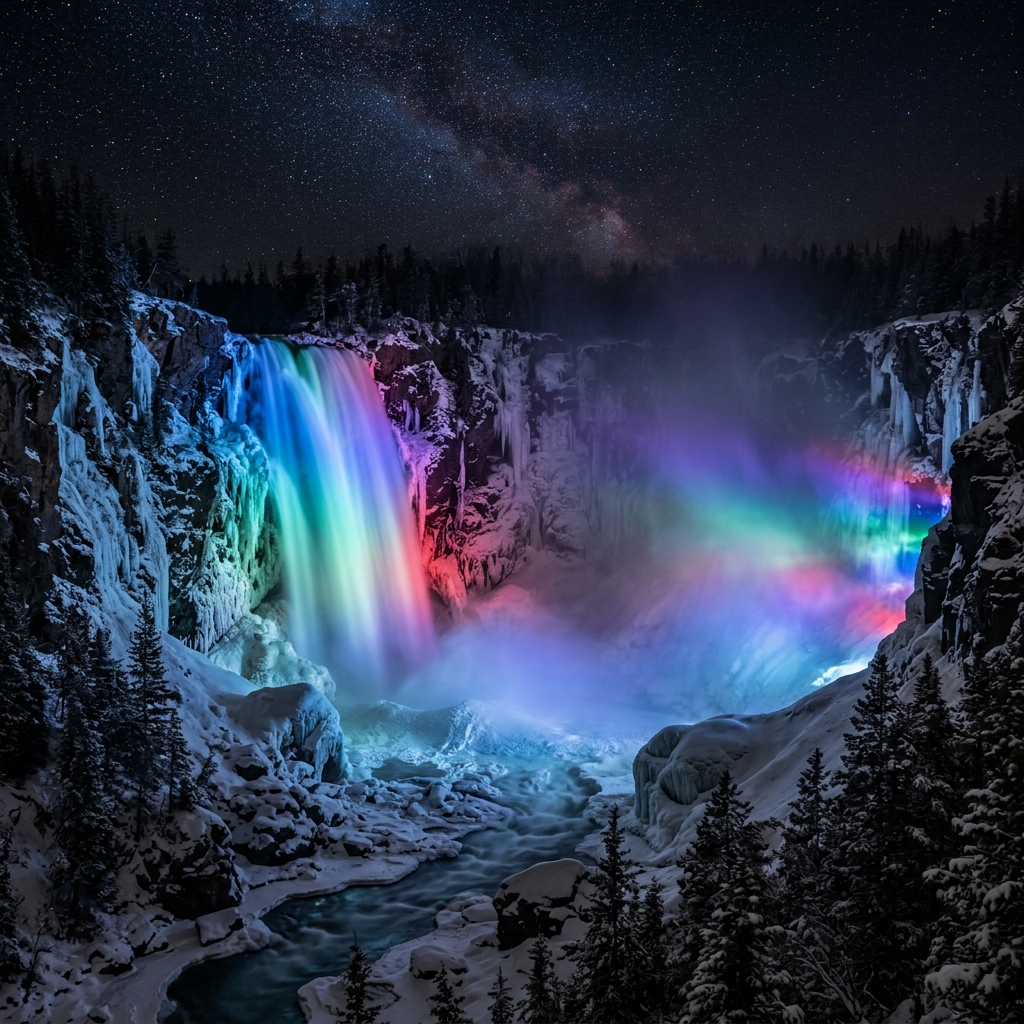
The nightly illumination of Niagara Falls has been a tradition since 1925, now powered by state-of-the-art LED technology that can produce 1.4 billion colour combinations. The lights transform the falls into a mesmerising canvas of colour every evening, with shows intensifying after sunset. During summer months, the Niagara Falls Fireworks Series lights up the sky over the falls on select evenings — Queen Victoria Park offers the best viewing. Winter Festival of Lights (November to February) extends the experience with 3 million lights along the Niagara Parkway. The combination of illuminated falls, fireworks, and winter ice formations creates an unforgettable spectacle.
Travel Tips
Getting to Niagara: Complete Transportation Guide
How to reach Niagara Falls from Toronto, Buffalo, and beyond — by car, bus, train, and air, plus local transit options once you arrive.
From Toronto (130 km), drive via QEW highway (90 minutes) or take GO Transit buses from Union Station. VIA Rail and UP Express connect to Toronto Pearson Airport. From Buffalo, NY (30 minutes), cross the Rainbow Bridge or Whirlpool Bridge. The nearest airports are Buffalo Niagara International (BUF, 30 minutes) and Toronto Pearson (YYZ, 90 minutes). Hamilton's John C. Munro Airport is another option. Locally, the WEGO bus system operates green and red lines connecting all major attractions along the Niagara Parkway from May to October. Niagara Falls transit runs year-round. Paid parking is available at Table Rock, Clifton Hill, and Falls Avenue, with free lots at Rapidsview.
Family Travel
Visiting Niagara Falls With Kids: Family Guide
Age-appropriate activities, stroller-friendly paths, dining options, and tips for making family memories at Niagara Falls.
Niagara Falls is incredibly family-friendly. Children under 5 typically get free admission to most attractions. The Butterfly Conservatory is a hit with younger kids — butterflies often land on visitors. The Niagara Parks Nature Centre offers free wildlife exhibits and hiking trail access. The Kew Explorer land train (Niagara SkyWheel nearby) and Clifton Hill attractions provide carnival-style fun. Journey Behind the Falls is suitable for ages 5+ though the noise and spray can startle toddlers. Pack waterproof shoes, a change of clothes, and sunscreen. The White Water Walk boardwalk is stroller-accessible and offers incredible Class 6 rapids viewing. Most parkway restaurants offer children's menus.
Photography
Photography Guide: Best Spots & Golden Hour Tips
Where to capture the perfect shot of Niagara Falls — sunrise viewpoints, rainbow timing, long exposure techniques, and drone regulations.
For the classic Horseshoe Falls panorama, Queen Victoria Park offers unobstructed views — arrive at sunrise for golden light and minimal crowds. Rainbows appear most reliably between 9-11 AM on sunny mornings when the mist catches eastern sunlight. Table Rock's edge gives dramatic close-ups but expect heavy spray on your lens. For long exposure shots, bring a 10-stop ND filter and a sturdy tripod. The Skylon Tower observation deck provides aerial perspectives. The Whirlpool Aero Car offers unique shots of the gorge whirlpool from above. Drone flying is prohibited within Niagara Parks. Night photography during illumination works best with a tripod, ISO 800-1600, and 2-4 second exposures.
Heritage
War of 1812 & Heritage Sites Along the Niagara River
The Niagara corridor played a pivotal role in Canadian history — explore battlefields, historic forts, and the Underground Railroad.
The Niagara region was a major theatre in the War of 1812. The Battle of Queenston Heights (October 1812) is commemorated by Brock's Monument, a 56-metre column honouring Major General Sir Isaac Brock. Laura Secord's heroic 32-kilometre walk to warn British forces is part of Canadian folklore — her homestead in Queenston is open to visitors. Fort George in Niagara-on-the-Lake and Fort Erie both saw significant action. The region was also a terminus of the Underground Railroad, with freedom seekers crossing the Niagara River to reach Canada. The Niagara Parks heritage sites include McFarland House (1800), the oldest surviving building in the Niagara Parks system.
Hiking
Niagara Glen & Gorge Trails: Hiking Guide
Discover the wild side of Niagara — ancient Carolinian forest, Class 6 whitewater rapids, and boulder-strewn trails deep in the gorge.
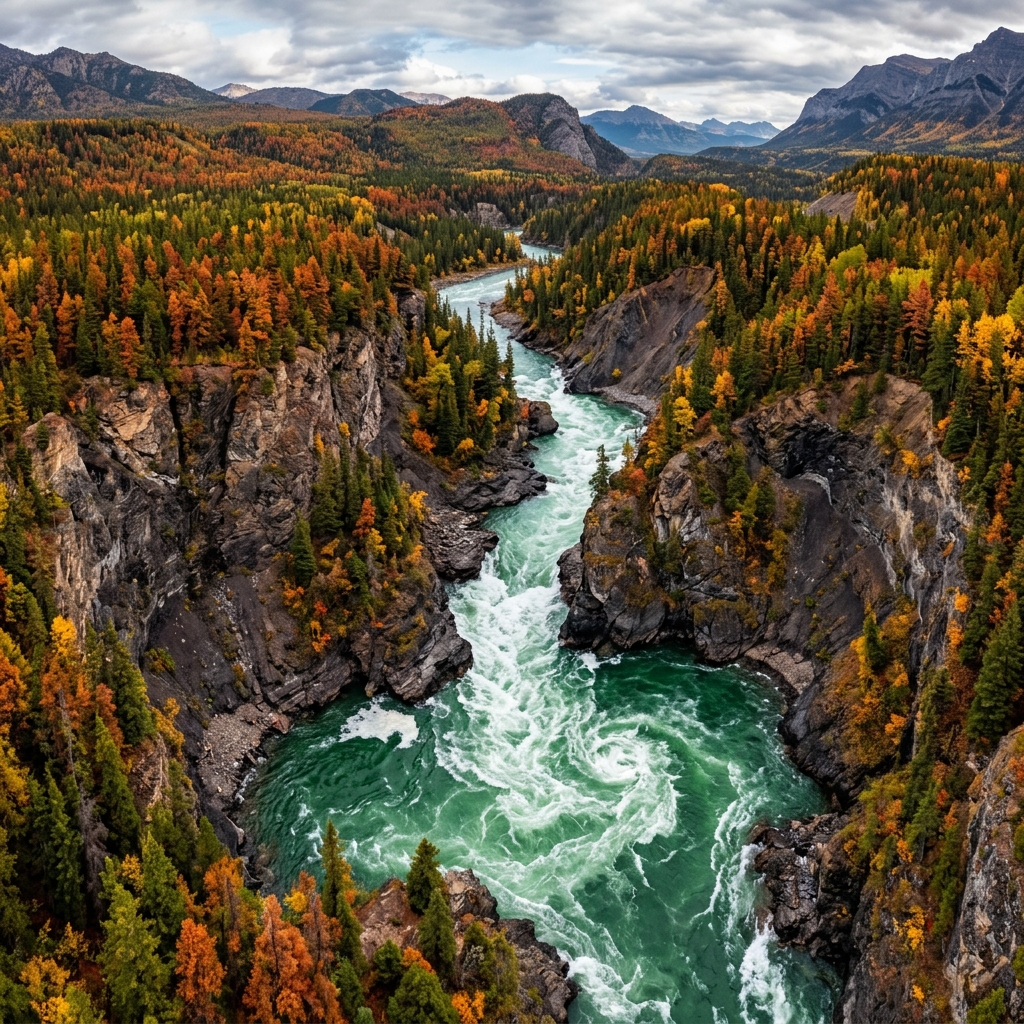
The Niagara Glen Nature Reserve is a hidden gem — a 4,000-year-old Carolinian forest accessible via a steep staircase descending 60 metres into the gorge. Four interconnecting trails (ranging from easy to difficult) wind through massive boulders, past rare plant species, and along the river's edge where Class 6 whitewater rapids thunder past. The White Water Walk provides a boardwalk-level view of these same rapids. The Niagara River Recreation Trail stretches 56 km from Fort Erie to Niagara-on-the-Lake — ideal for cycling. The gorge trails are most spectacular in autumn when the Carolinian forest canopy turns brilliant orange, red, and gold. Wear sturdy footwear — the gorge trails involve scrambling over rocks.
Nearby
Beyond the Falls: Niagara-on-the-Lake & Wine Country
Just 20 minutes north lies one of Canada's most charming towns, surrounded by over 100 wineries producing world-class Icewine.
Niagara-on-the-Lake, a picturesque 19th-century town, is home to the Shaw Festival (one of the world's largest repertory theatre festivals), boutique shops along Queen Street, and Fort George National Historic Site. The surrounding Niagara Wine Region produces outstanding Riesling, Chardonnay, Pinot Noir, and is globally renowned for Icewine — made from grapes frozen on the vine. Top wineries include Inniskillin (credited with pioneering Canadian Icewine), Jackson-Triggs, and Peller Estates. The Niagara Parkway drive between the falls and NOTL is one of Canada's most scenic routes, passing through orchards, vineyards, and the Floral Clock. Many wineries offer tours and tastings daily.
Visitor Tips
Practical advice for planning your perfect trip
🕐
Best Time to Visit
June-August for warmest weather and full attractions. September-October for autumn colours and fewer crowds. Winter for frozen falls and light festival.
🧥
What to Wear
Waterproof jacket essential near falls. Comfortable walking shoes for trails. Layers recommended — mist keeps things cool even in summer.
📸
Photography
Arrive at sunrise for best light and fewest crowds. Bring lens cloth for mist spray. Rainbows appear mid-morning on sunny days.
🚌
Getting Around
WEGO bus runs May-October connecting all attractions. The Niagara Parkway is perfect for cycling. Free parking at Rapidsview lot.
🍽️
Dining
Elements on the Falls offers dining with falls views. Table Rock House Restaurant for quick bites. Queen Street in NOTL for fine dining.
💳
Budget Tips
Botanical Gardens are free year-round. Queen Victoria Park viewpoints are free. Adventure passes bundle multiple attractions for savings.
Seasonal Guide
What to expect throughout the year at Niagara Falls
🌷
Spring
March–May: Peak water flow from snowmelt. Daffodils and tulips bloom in gardens. Attractions begin reopening. Fewer crowds.
☀️
Summer
June–August: All attractions open. Fireworks series. Boat tours at full capacity. Extended evening illumination. Peak season — arrive early.
🍂
Autumn
September–November: Stunning gorge foliage. Wine harvest season. Fewer crowds, pleasant temperatures. Niagara Glen trails at their best.
❄️
Winter
December–February: Frozen mist formations on rocks. Winter Festival of Lights (3M+ lights). Power Station open. Dramatic ice bridges.
Get Your Free Niagara Guide
Download our comprehensive visitor guide with maps, tips, and seasonal highlights
Frequently Asked Questions
Common questions about visiting Niagara Falls
The Canadian side is generally considered superior for viewing, as it faces the falls head-on and offers panoramic views of all three waterfalls. The American side provides closer access to the base of American Falls and Bridal Veil Falls via Cave of the Winds.
A minimum of one full day is recommended to see the main viewpoints and one or two attractions. Two days allows for a more relaxed visit including the Botanical Gardens, a boat tour, Journey Behind the Falls, and Niagara-on-the-Lake. Three days lets you fully explore everything including wine country.
Yes! The mist from Horseshoe Falls carries significant spray, especially on windy days. Journey Behind the Falls and the boat tours will soak you — ponchos are provided. Even viewing from Table Rock, you'll likely get misted. Bring waterproof phone protection.
Absolutely! The Butterfly Conservatory, Niagara Parks Nature Centre, boat tours (age 5+), and the WEGO bus are all family-friendly. Most pathways are stroller-accessible. Children under 5 often receive free admission to attractions.
Yes! Winter brings dramatic ice formations, the Winter Festival of Lights, and the Niagara Parks Power Station remains open year-round. Some outdoor attractions close seasonally, but the falls themselves are spectacular when partially frozen with massive ice buildup.
If you plan to cross the border between Canada and the US to see both sides, you will need a valid passport or approved travel document. If staying on the Canadian side only, no passport is needed for Canadian residents. International visitors should check visa requirements for Canada.